A personal look at contemporary art through the experience of visiting the international exhibition VIMA Gallery in Cyprus. Reflections on the perception of contemporary art, its contradictions, cultural differences and how classical art education influences this experience.
The VIMA Art Fair is one of the first major international contemporary art events in Cyprus. The exhibition took place on May 15-18, 2025 in Limassol and brought together more than 100 artists, 27 galleries and participants from 20+ countries. The main purpose of the event was to create a dialogue between artists, galleries and audiences, as well as to showcase the diversity of contemporary art through exhibitions, film screenings, lectures, guided tours and interactive activities.
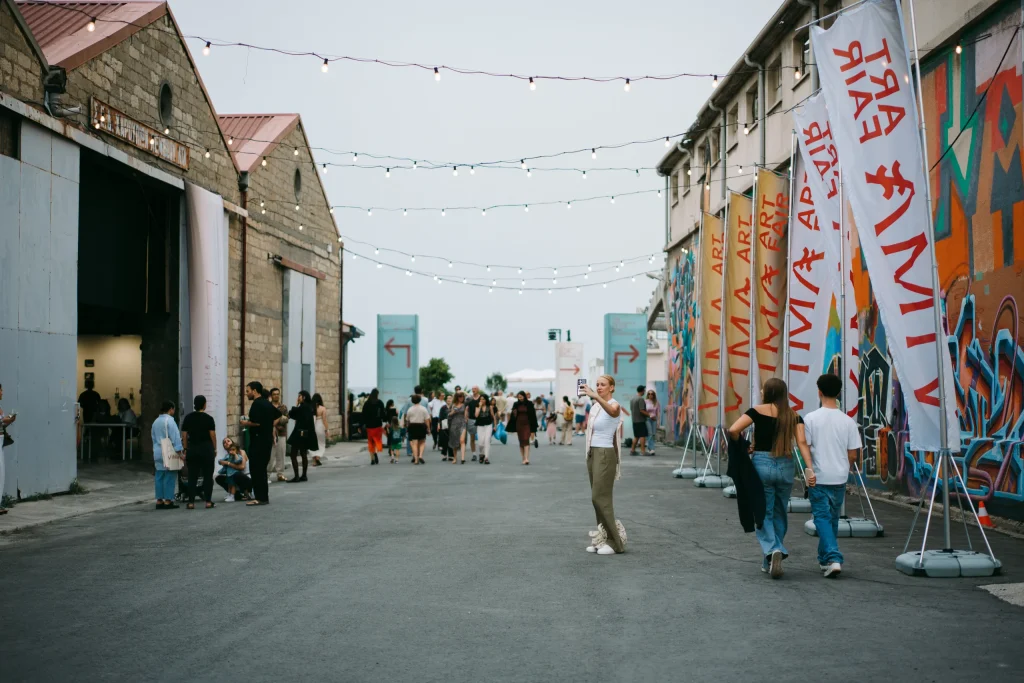
For me, visiting VIMA has become a kind of personal experiment. I studied for seven years at the Russian art school, where academic principles were the basis: perspective, composition, color theory, art history and classical standards of image. Therefore, for a long time, modern art remained a rather unfamiliar and even difficult environment for me.
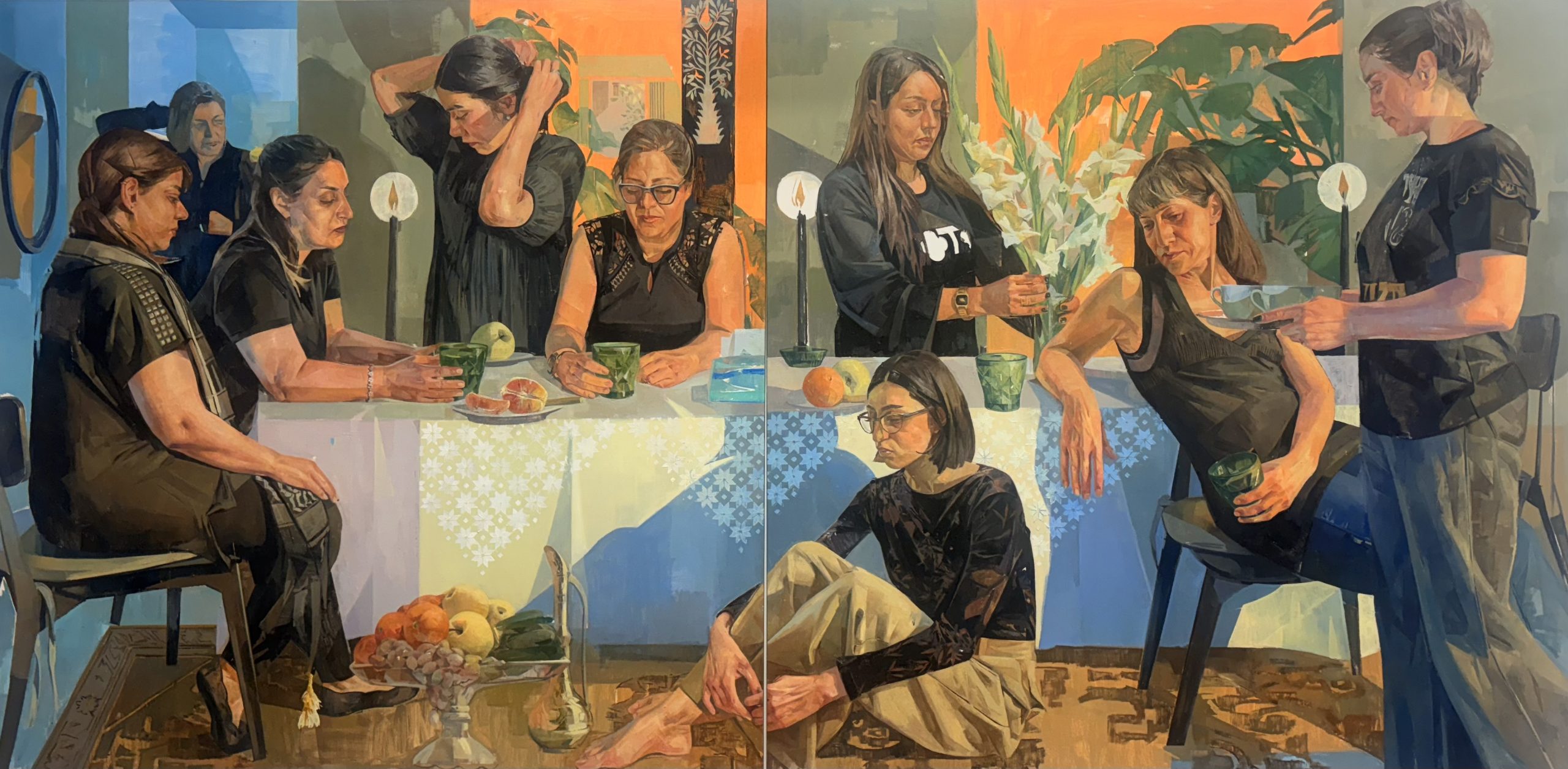
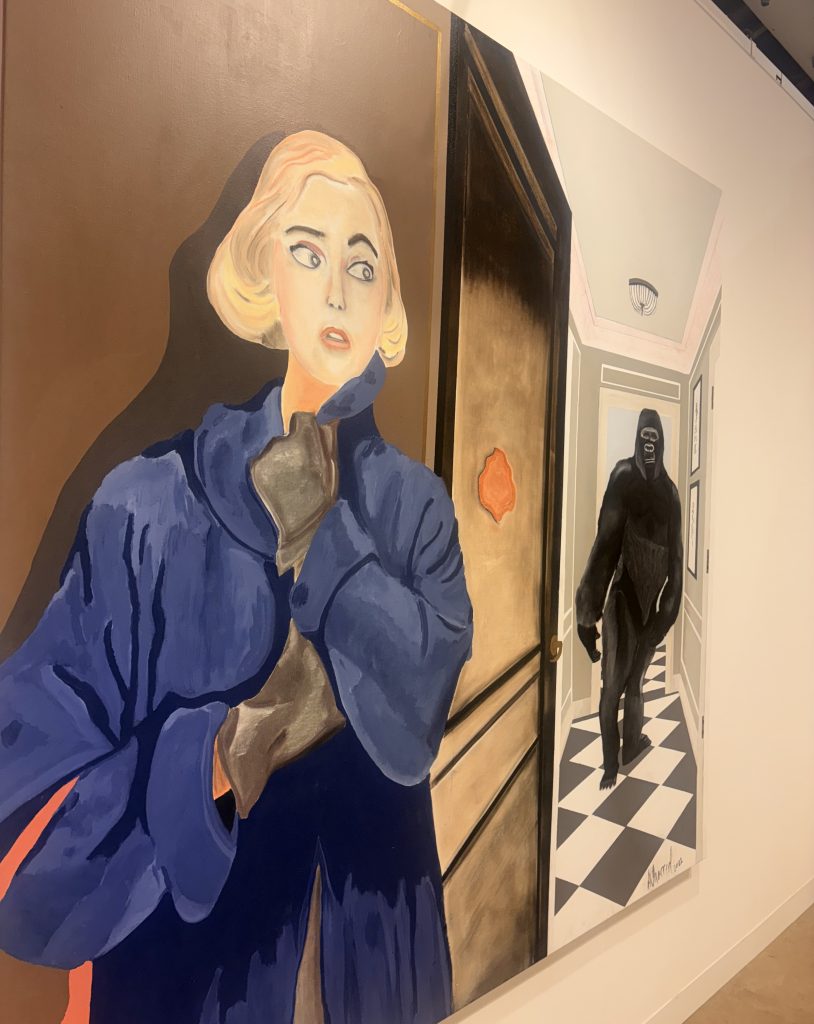
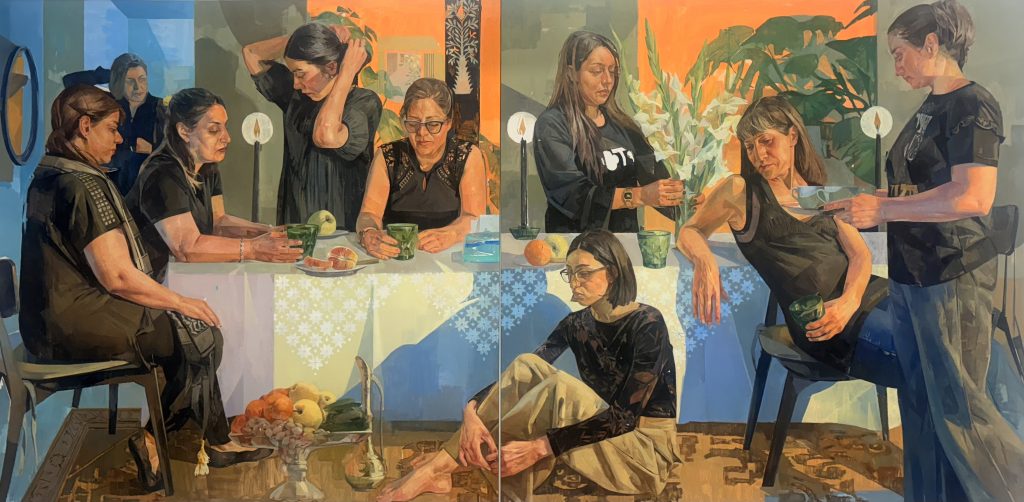
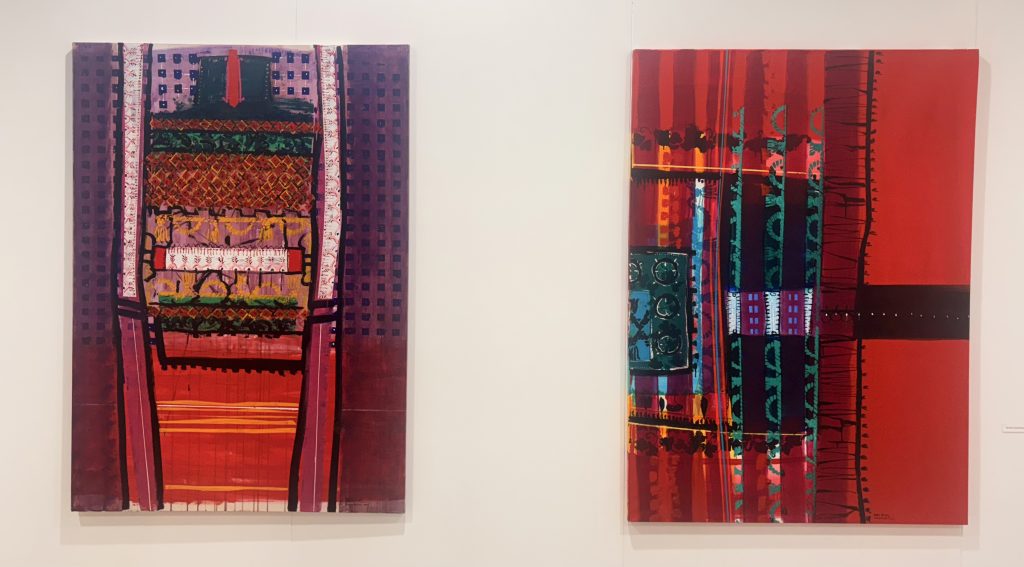
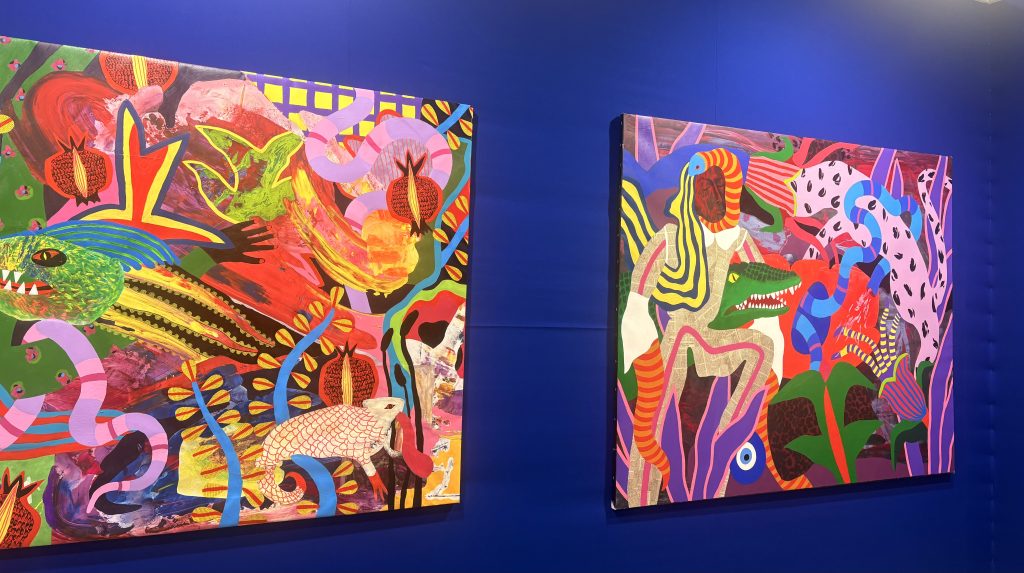
The first thing that caught my attention was the huge variety of styles, materials, and art formats. Some of the works were closer to the classical visual language: clear images of people, animals, structured composition, harmonious color solutions. I found such work easier because I was used to this approach. Along with them, there were also abstract works that I couldn’t always understand, but it was interesting for me to look for meaning and my own interpretation in them. I was particularly impressed by the variety of techniques: acrylic, mixed media, textiles, glass elements, unusual materials and sculptures. The various textures, styles and presentation methods made the exhibition visually very intense, although some of the works were still difficult for me to perceive.
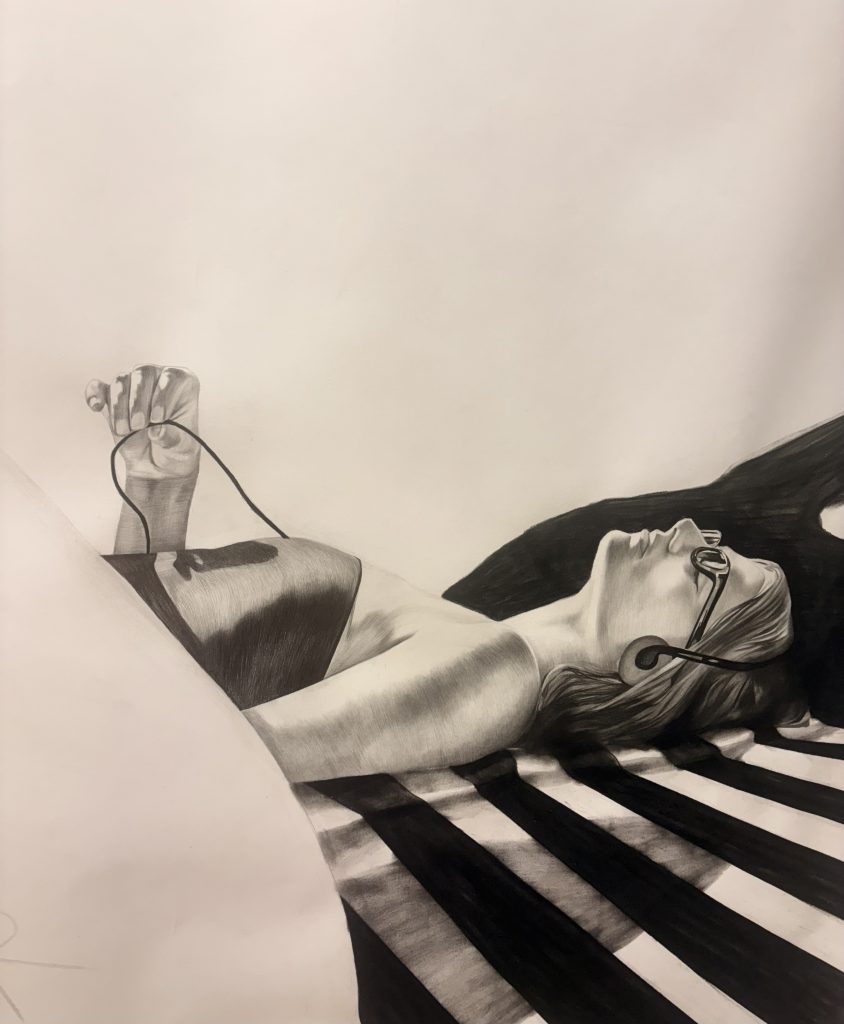
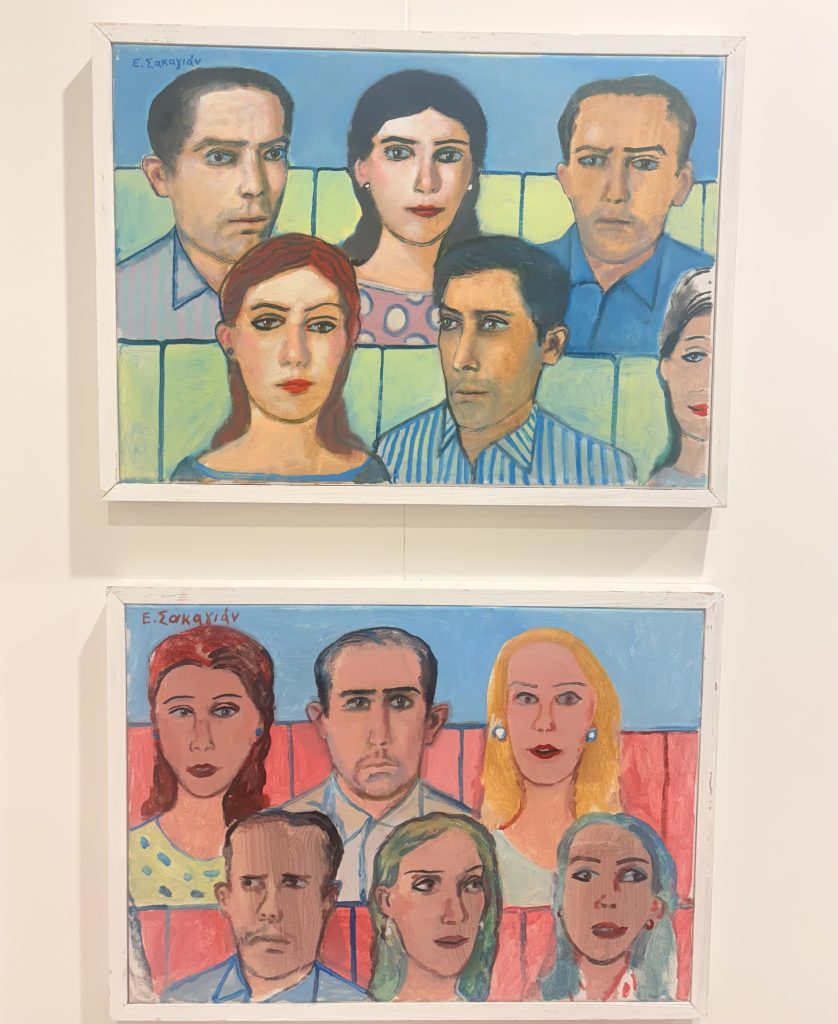
One of the difficult points was the lack of explanations next to many works. Without context, it was not always clear which idea the author wanted to convey. However, my perception changed after a conversation with the guide, who also turned out to be an artist from one of the Armenian galleries. He talked about his abstract series made in acrylic, dedicated to the topic of childhood traumas, psychological experiences and their impact on the formation of a person’s personality. His work consisted of complex color overlays, deformed shapes, and layered abstract images that at first seemed difficult for me to understand. However, when he began to explain how he tried to visually convey inner tension, emotional memory, and the consequences of past experiences through textures, color collisions, and composition, my perception of the work completely changed. This conversation made me think that modern art often faces a problem of misunderstanding, not because it lacks meaning, but because the viewer is not always given the tools to read it. At the same time, it is precisely this openness to different interpretations that makes contemporary art both challenging and interesting to perceive.
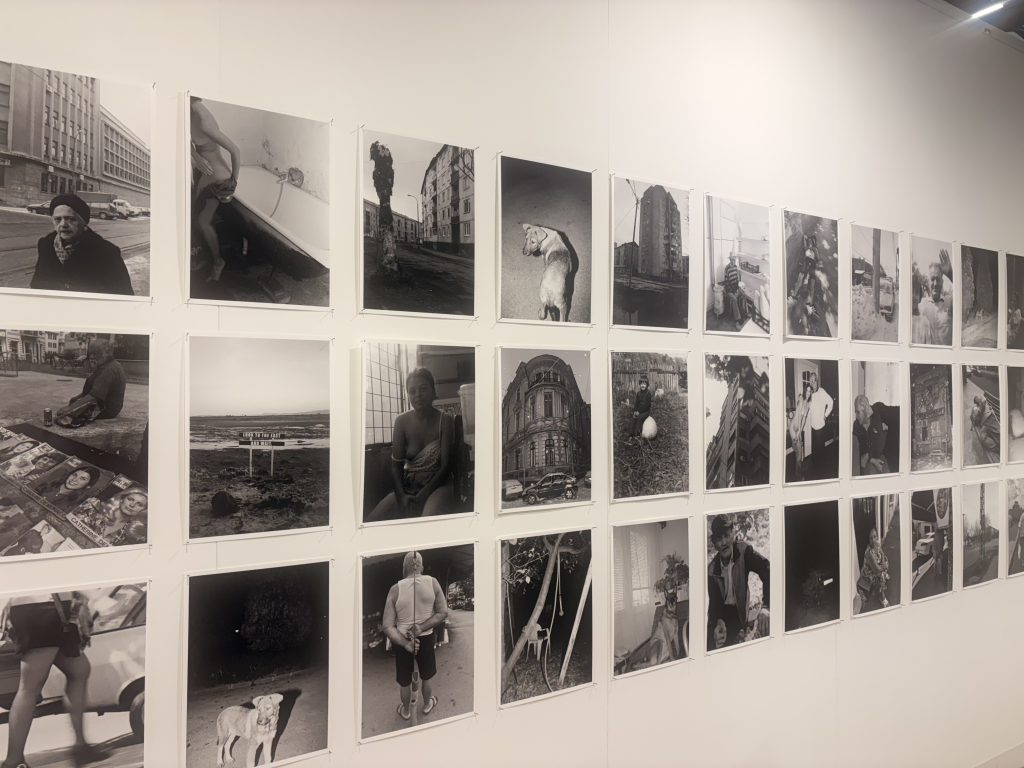
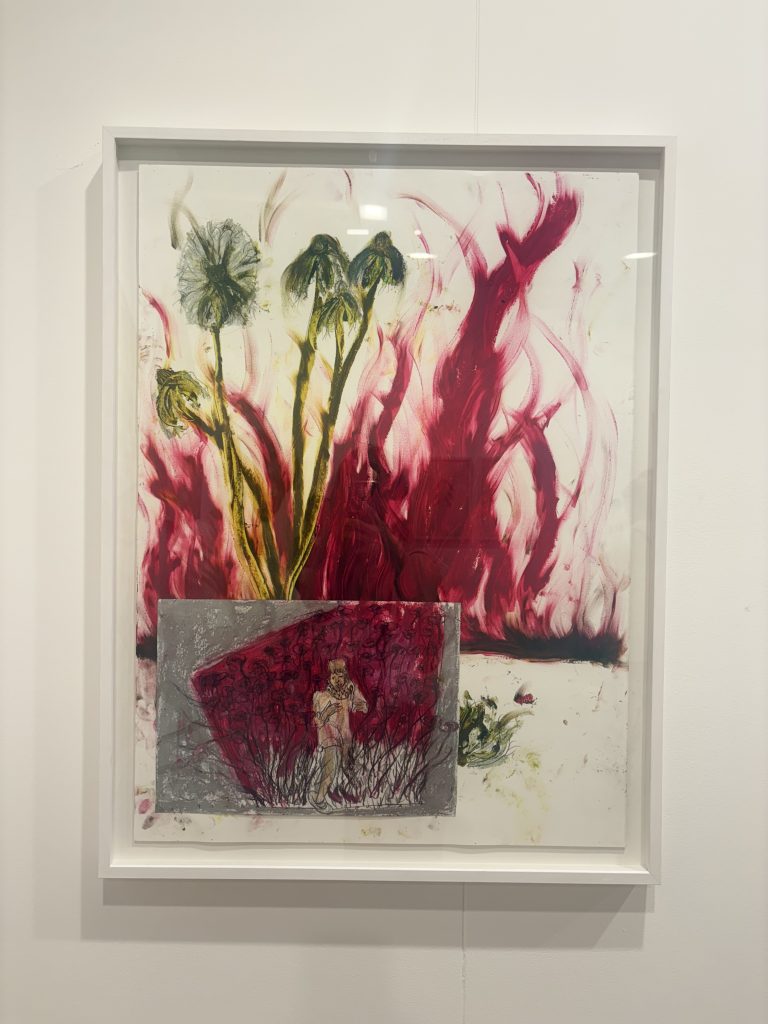
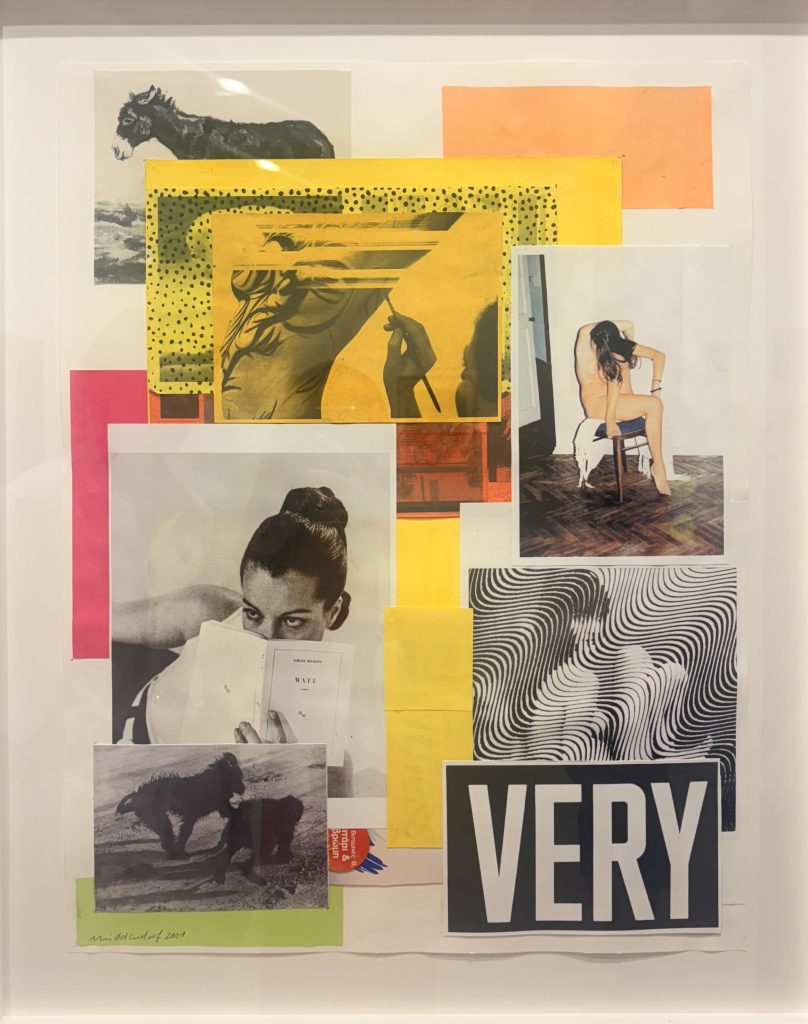
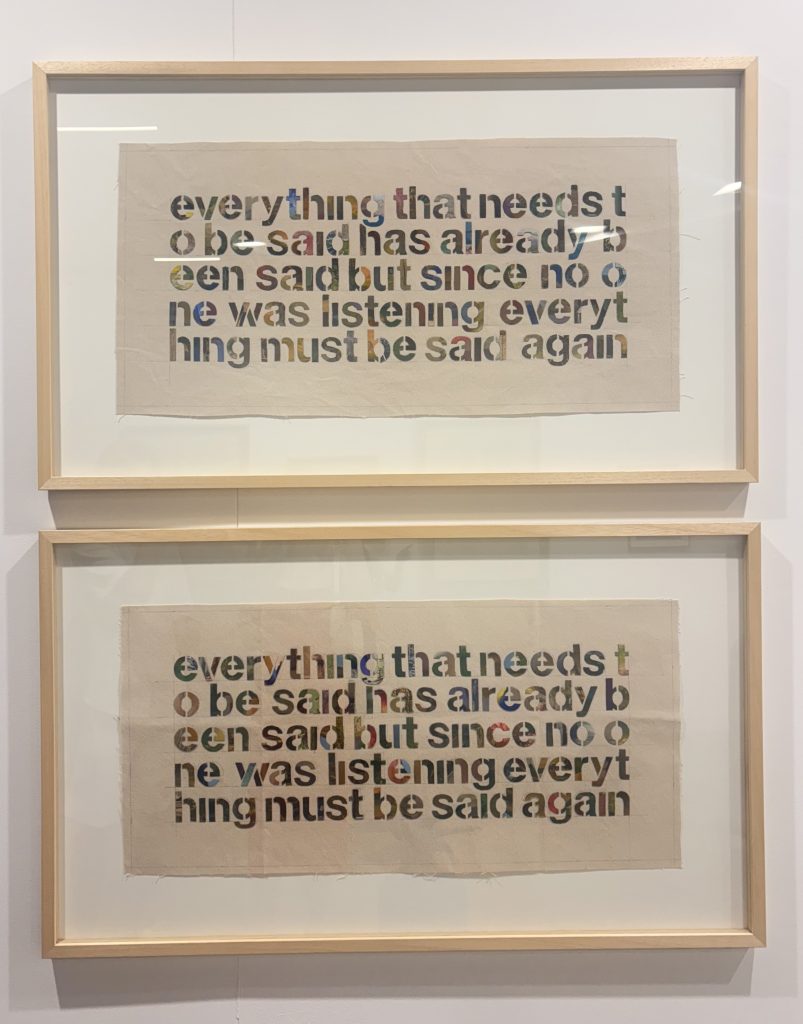
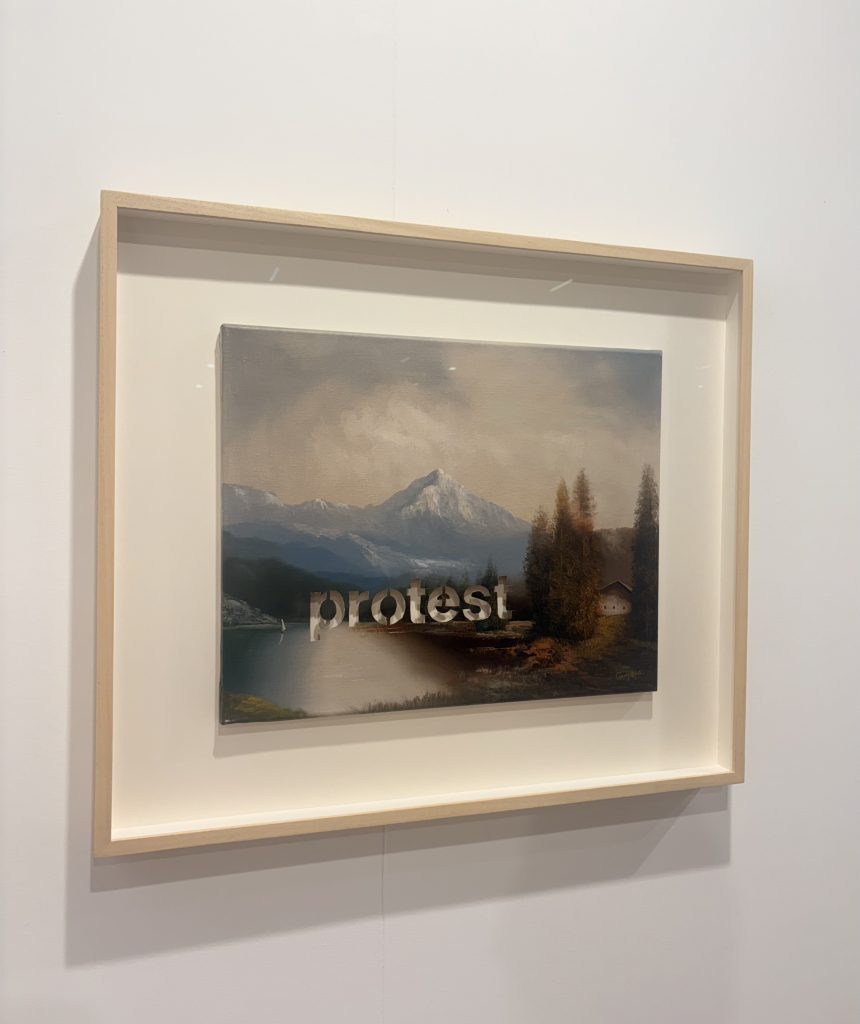
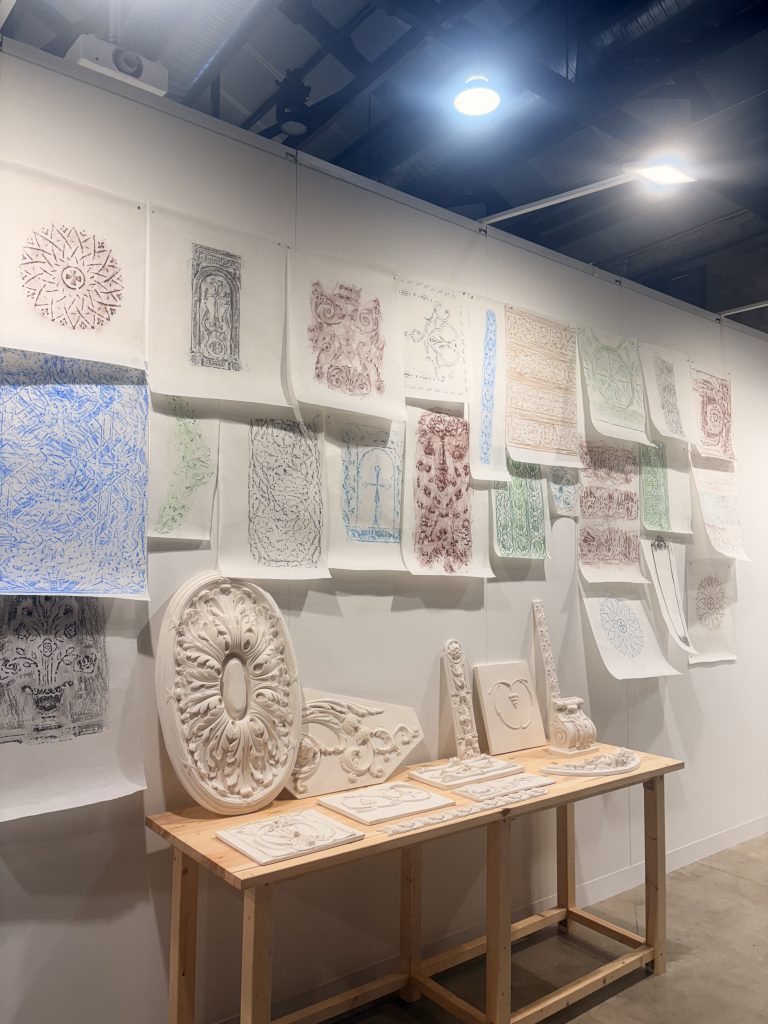
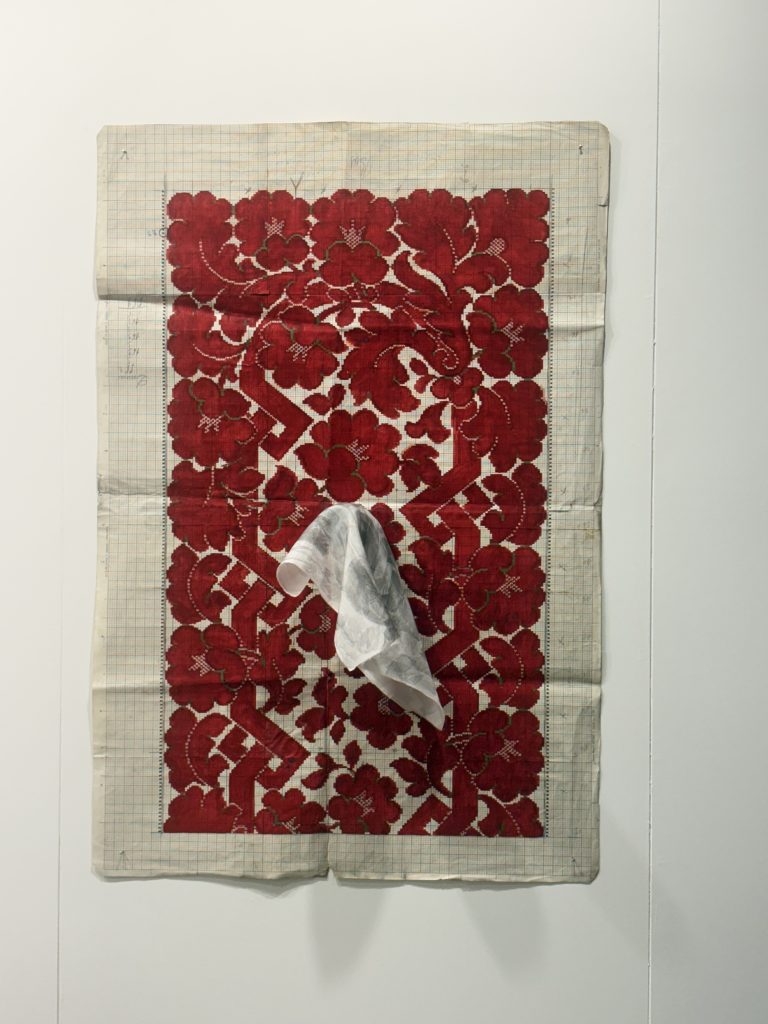
Another strong point of VIMA was the event’s rich program. Visitors could participate in creative activities, watch films about art, attend guided tours and interact with art in various formats. Among the spaces presented, I particularly remember The Edit Gallery, which combined an experimental approach with visually strong and emotionally understandable works.
Contemporary art still faces the problem of misunderstanding: it is often considered too abstract, closed or far from the viewer. However, it is precisely in this freedom that its main advantage lies — the opportunity to experiment, raise current social topics, rethink familiar forms and expand our understanding of what art can be in general. Despite the difficulties of perception, visiting VIMA helped me to look at contemporary art not through the prism of criticism, but through curiosity and openness to new experiences.
ART NEARBY.
Written by Anastasia Kiper.
Leave a Reply