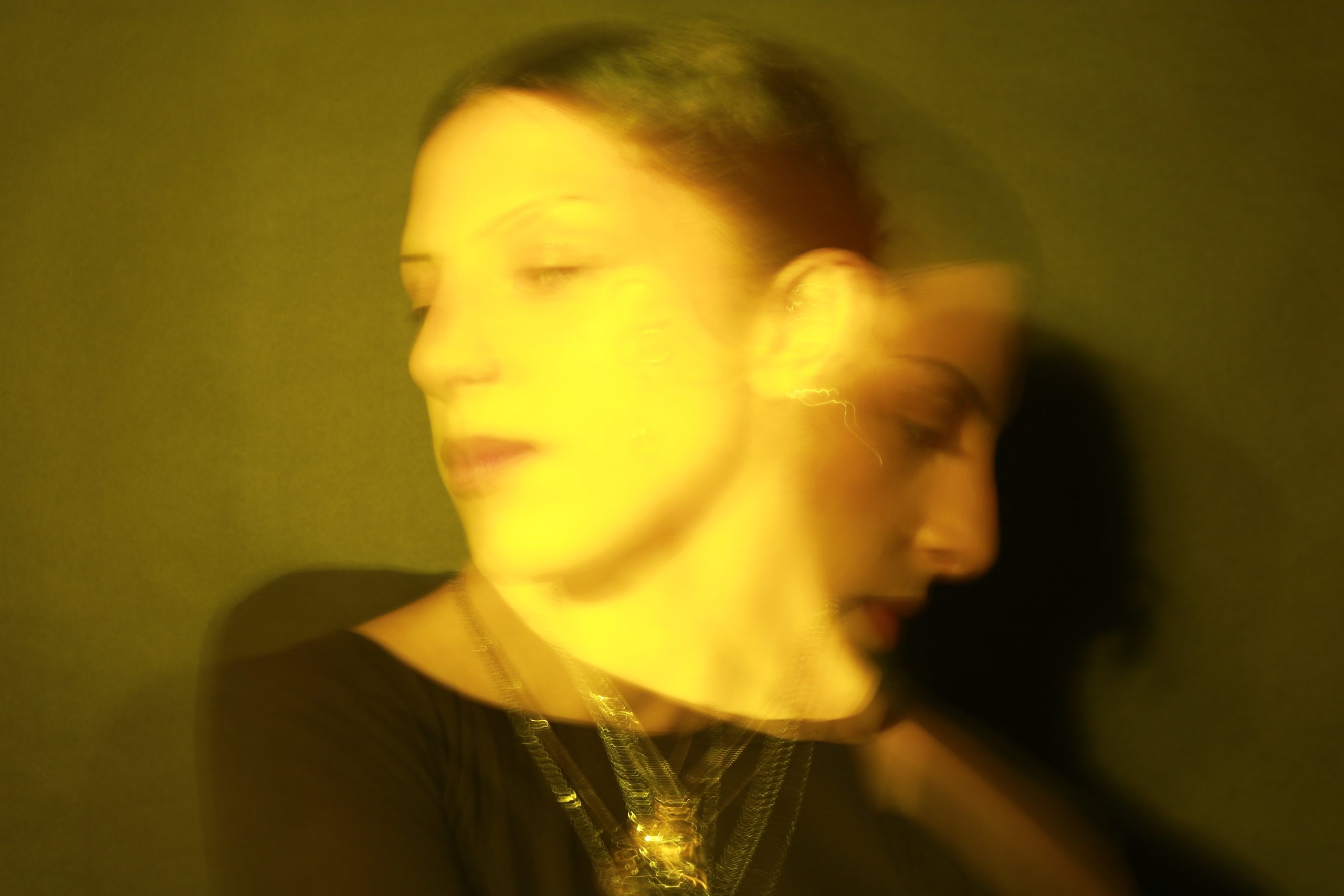
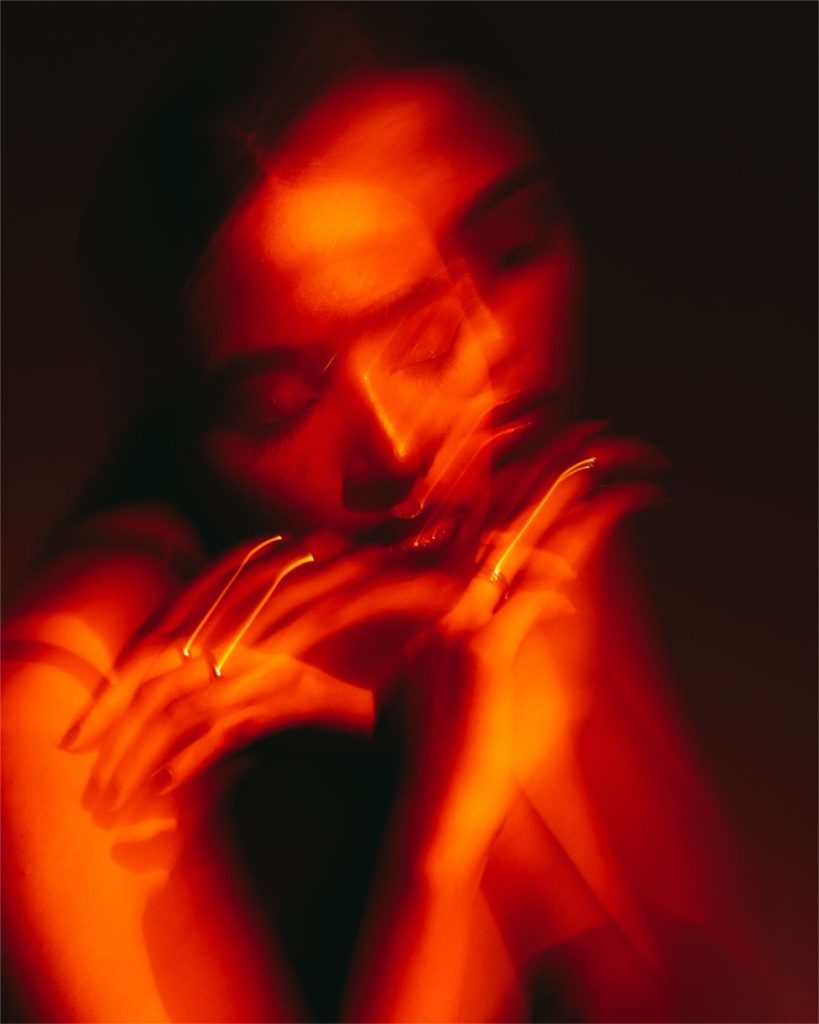
How photography has changed our perception of the world — and why movement has become an important part of the modern frame. Personal experience of working with motion portraiture, reflections on dynamics and the power of the blur effect in photography.
Photography has changed the way people see reality. Its history dates back to the 19th century: in 1826, Joseph Nicéphore Niépce created one of the first surviving photographs, and later Louis Daguerre and William Talbot developed the technology, making the image a way of recording time, memory and human experience. Photography has ceased to be just a technical discovery — it has become a cultural phenomenon that has changed art, journalism, science and our everyday perception of the world. She taught a person to notice details, document emotions and save moments that cannot be repeated.
While studying photography and its history, I became familiar with different concepts of visual language: composition, light, camera settings, working with space, and the emotional impact of an image. I gained this experience while taking the photography course at the university, where we studied both the technical side of image creation and the history of photographic art. One of the most interesting areas for me was motion photography, where the image ceases to be completely static and begins to convey a sense of time, energy and inner state.
The idea of motion photography began to actively develop along with the technological progress of photography. If early photography aimed for absolute sharpness and precise fixation of the moment, then later photographers began to experiment with long shutter speeds, camera displacement, light and deliberate blurring of the image. Movement was no longer perceived as a shooting error and became an independent artistic device that allows you to show the passage of time, speed, emotions, psychological state and variability of human perception. Different photographers have explored this concept in their own ways. Ernst Haas used a long shutter speed, working with urban traffic, cars, street lights and streams of people, turning the dynamics of everyday life into almost picturesque images. Francesca Woodman, on the other hand, turned to the more intimate and psychological side of the movement: her blurred self-portraits, disappearing silhouettes, and bodywork explored memory, identity, presence, and vulnerability.
In my own experiments with motion photography, I explored the emotional state through the movement of the body, light and camera. Working with shutter speed, deliberate focus shifting, and model movement has made it possible to create images that feel less documentary and more psychological. Such photos stop showing a person literally — they show a feeling, an inner noise, a transitional state, or even a moment of loss of stability. We are constantly changing, moving, experiencing, searching. And sometimes it’s a blurry frame that can tell you this much more honestly than a perfectly static portrait.
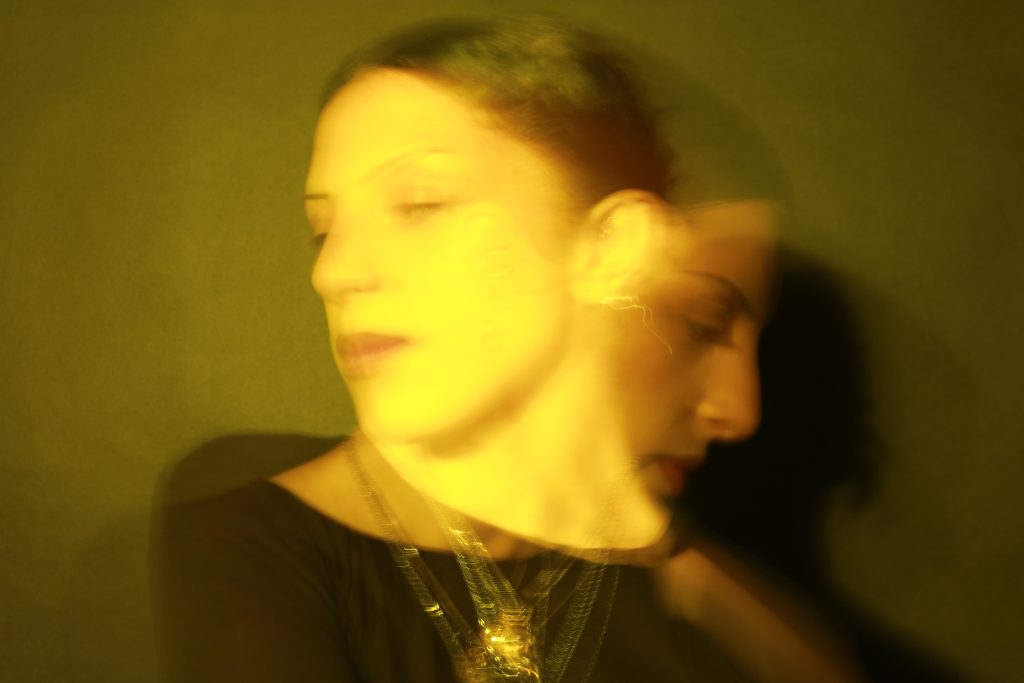
UNTITELD. 2024. Anastasia Kiper
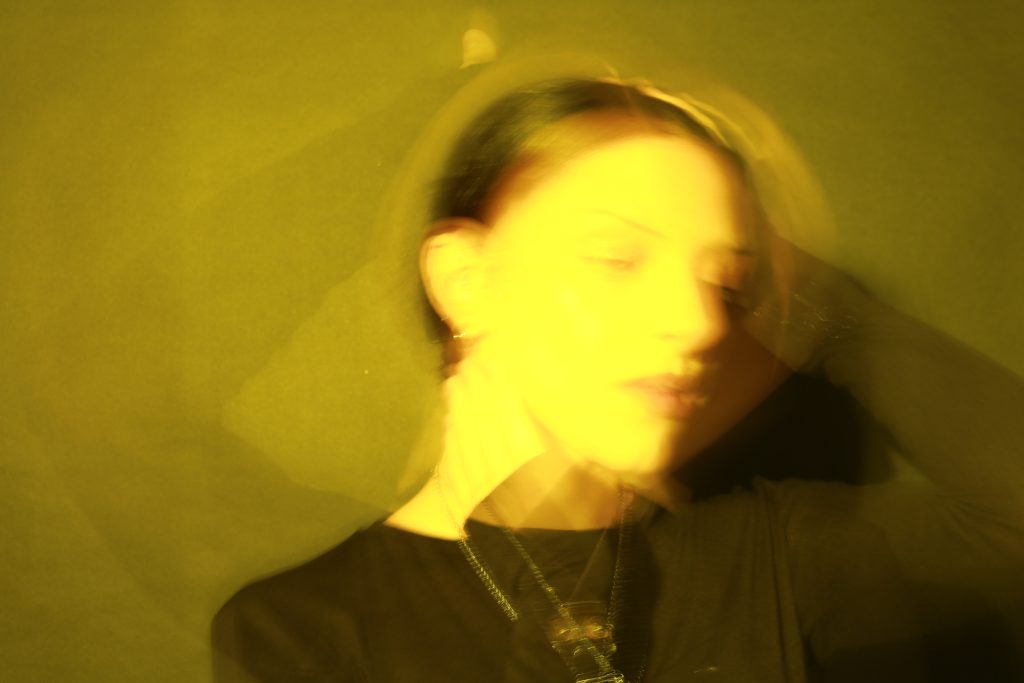
UNTITELD. 2024. Anastasia Kiper
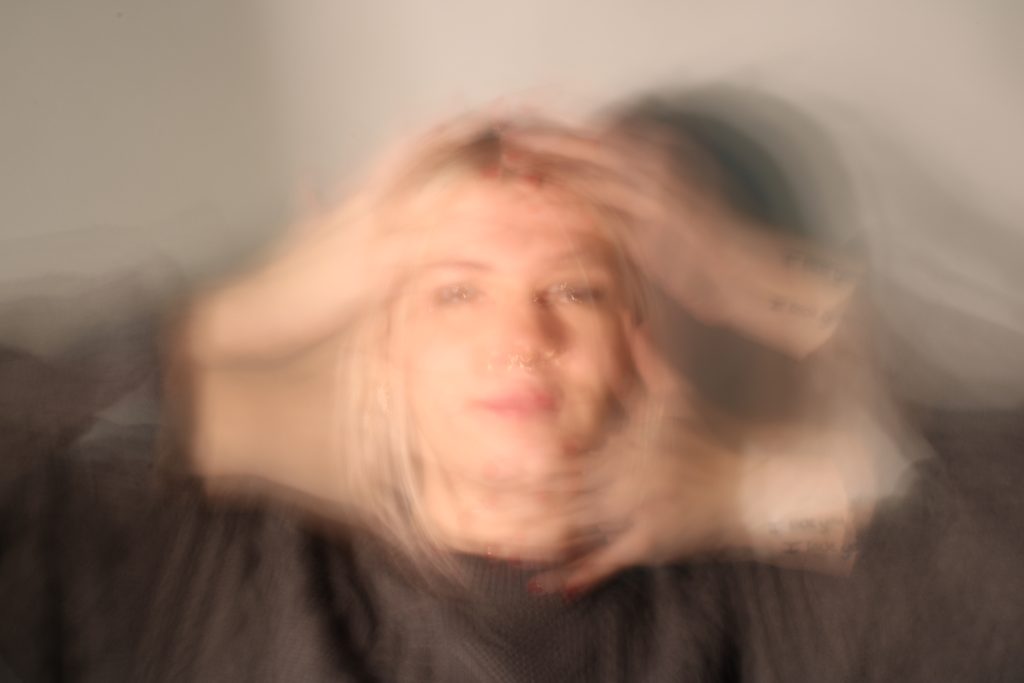
UNTITELD. 2024. Anastasia Kiper
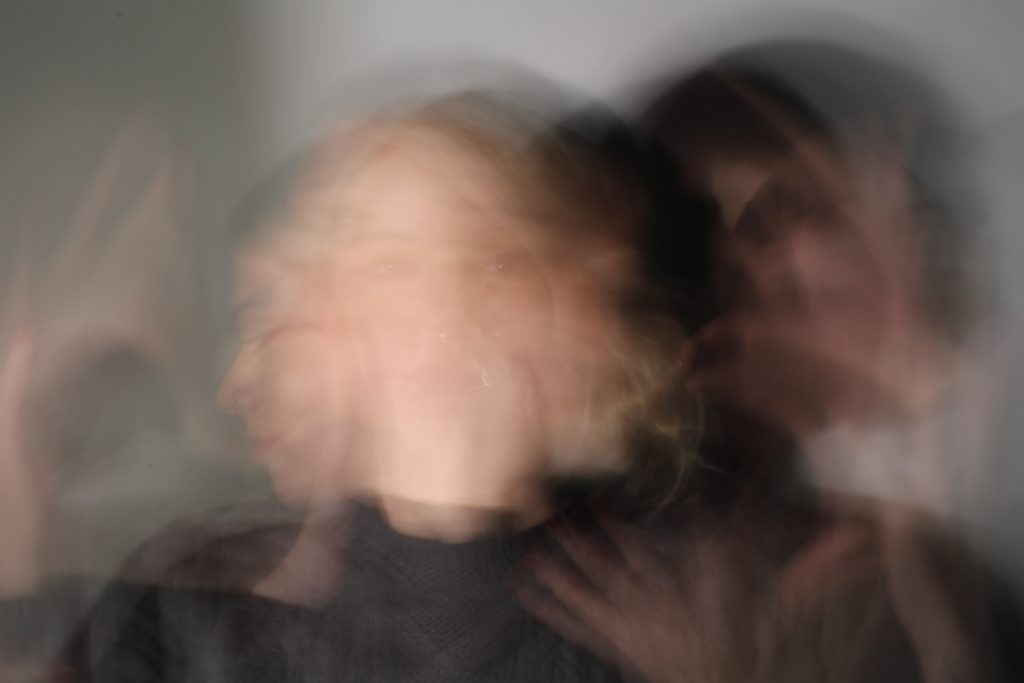
UNTITELD. 2024. Anastasia Kiper

UNTITELD. 2024. Anastasia Kiper
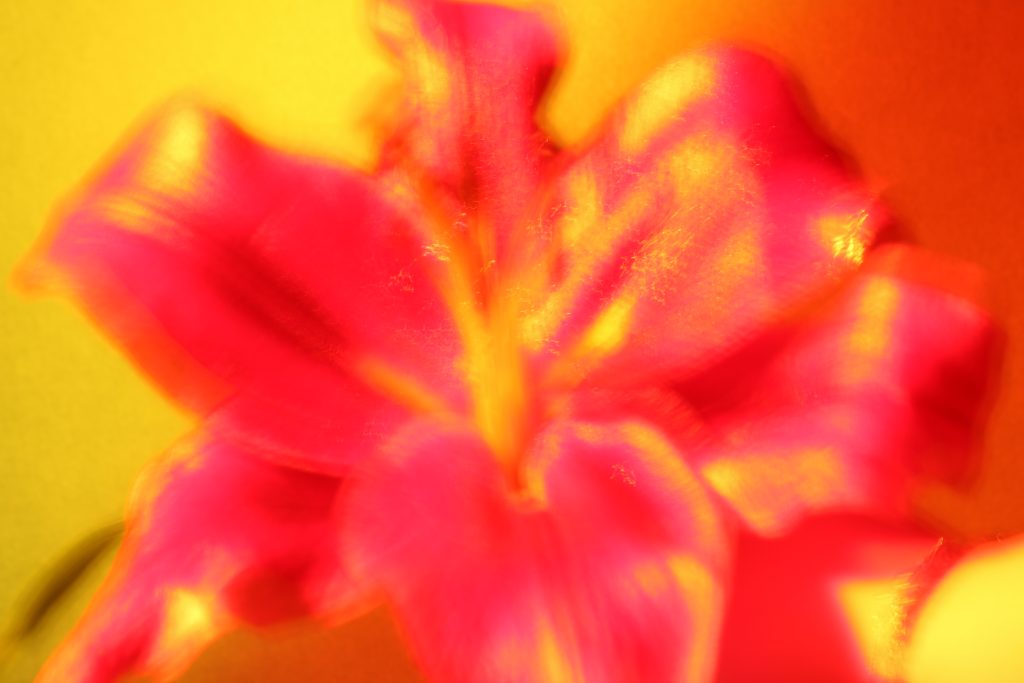
UNTITELD. 2024. Anastasia Kiper
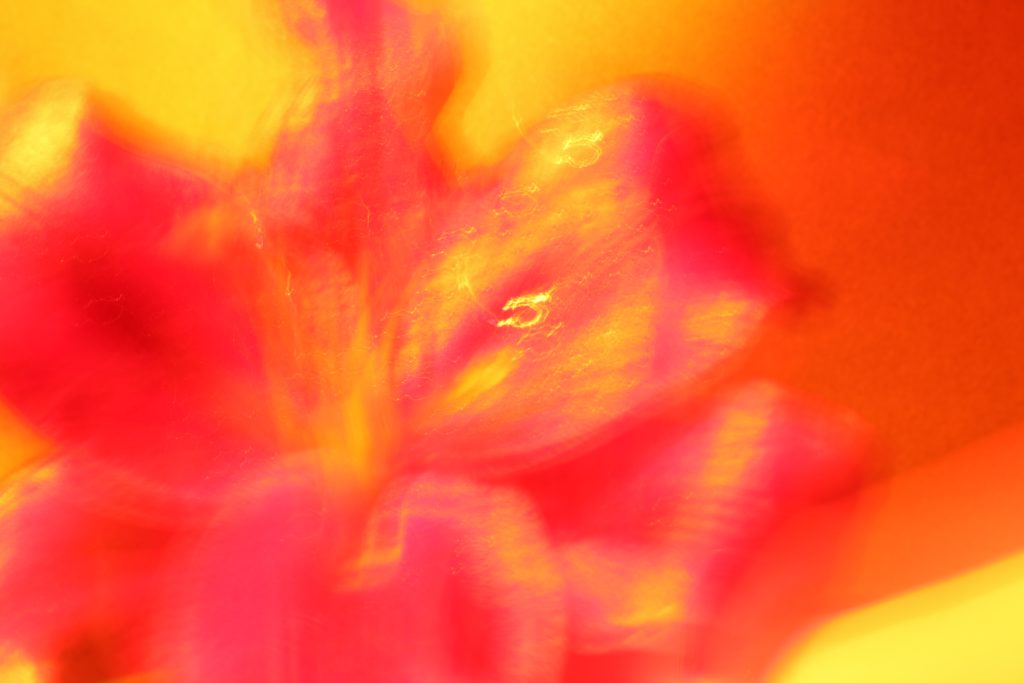
UNTITELD. 2024. Anastasia Kiper
ART NEARBY.
Written by Anastasia Kiper.
Leave a Reply